
Quick verdict
If you want to know how to get started with UGC, start smaller than most beginners think: film 3 to 5 portfolio samples, learn how to write simple hooks, and pitch brands that already run paid social ads.
You do not need a large follower count to become a UGC creator. Brands usually pay UGC creators for the content file, not for distribution from the creator’s own account. That is why UGC can be a realistic entry point for creators who are good on camera, good at product demos, or good at making short social videos.
The work is still real work. You need clear deliverables, usage rights, basic contracts, and enough quality control to make a brand comfortable using your content in ads.
What is UGC?
UGC stands for user-generated content. In marketing, it usually means short-form videos, photos, reviews, testimonials, or product demos created from a user’s point of view rather than from a polished brand studio.
For creators, the important distinction is this:
A UGC creator is paid for the content they produce, not mainly for their audience size.
That separates UGC from influencer marketing. An influencer sells reach, audience trust, and distribution. A UGC creator sells creative assets that a brand can use on TikTok, Instagram, Meta ads, product pages, landing pages, email, or organic social.
UGC creator vs influencer
| Dimension | UGC creator | Influencer |
|---|---|---|
| Main value | Content quality | Audience reach |
| Follower count required | Usually no | Usually yes |
| Who posts the content | Brand, usually | Creator, usually |
| Pricing based on | Deliverables and usage rights | Reach, engagement, deliverables |
| Best beginner path | Portfolio and outreach | Audience growth |
Both models can overlap. A creator can sell UGC and also be an influencer. But if you are starting from zero, UGC is usually easier to test because the portfolio matters more than follower count.
What you need to start with UGC
1. A phone with a decent camera
Most UGC is filmed vertically on a smartphone. You do not need a studio camera to begin. You do need clean framing, enough light, and a stable setup.
Natural window light is enough for many early samples. A small tripod and a basic ring light can help, but avoid buying gear before you have practiced the format.
2. Basic audio
Bad audio makes even a good video feel cheap. A quiet room and a simple clip-on microphone are often a bigger upgrade than a better camera.
If you cannot buy a mic yet, record in a quiet space, stay close to the phone, and avoid echo-heavy rooms.
3. A simple editing workflow
CapCut is a common choice for short-form creator editing because it is built around vertical video, captions, templates, and fast social edits.
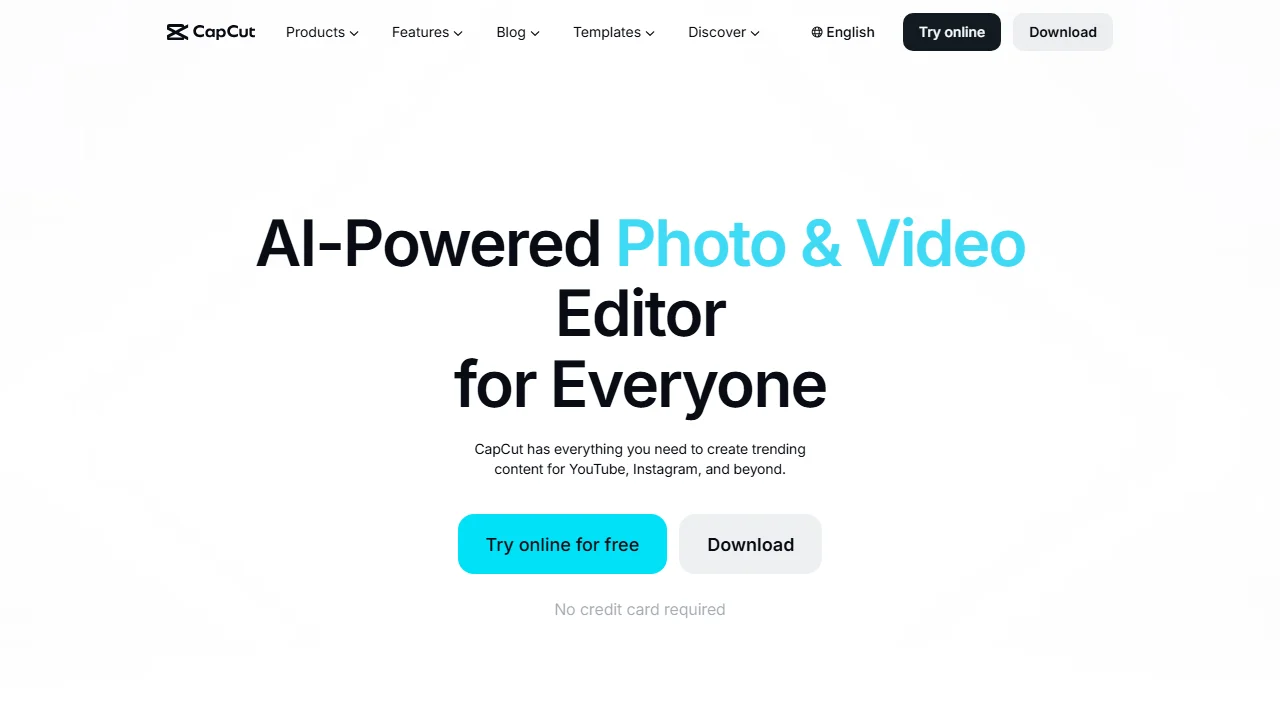
You can also use tools like InShot, VEED, Premiere Pro, or Final Cut, but do not overcomplicate the first stage. The goal is to create clear, native-feeling clips quickly.
4. A niche to practice in
You can be a generalist later. At the start, a niche helps you build stronger samples.
Good beginner niches include:
- skincare and beauty,
- fitness and wellness,
- home goods,
- pet products,
- food and kitchen products,
- apps and SaaS,
- ecommerce gadgets.
Pick something you can talk about naturally. UGC works when the delivery feels specific and believable.
5. Comfort on camera
You do not need to sound like a presenter. In fact, many UGC ads work because they feel less polished than a brand ad.
Practice with 10 to 20 short videos before judging yourself. The first few will feel awkward. That is normal.
How to build a UGC portfolio with no brand deals
No brand wants to guess whether you can create. Your portfolio answers that question.
You can build one before you have paid clients.
Use products you already own
Pick 3 to 5 products from your bathroom, kitchen, desk, closet, or app stack. Film short sample videos as if each product had hired you.
Do not claim a product result you cannot honestly support. If it is a sample, label it as a sample.
Create multiple formats
Your first UGC portfolio should show range:
- Talking-head testimonial.
- Product demo.
- Unboxing or first impression.
- Before and after, if truthful.
- Problem-solution ad.
- Comparison video.
- Tutorial or how-to.
Use a simple ad structure
A basic UGC video can follow this pattern:
- Hook: the first 1 to 3 seconds that stop the scroll.
- Context: the problem, need, or moment.
- Product: show the product clearly.
- Proof: demonstrate the feature or result.
- CTA: tell the viewer what to do next.
That structure is simple, but it helps brands understand how your content could work as paid creative.
Host the portfolio somewhere easy to open
At the beginning, a Google Drive folder, Notion page, or simple personal page is enough. Make sure the link is clean, public, and organized.
Include:
- your name,
- niches you can cover,
- 3 to 5 video samples,
- contact email,
- basic package options,
- usage rights note.
How to find your first UGC brand deal
There are two main routes: marketplaces and direct outreach. Most creators eventually use both.
UGC creator marketplaces
UGC marketplaces connect brands looking for creator content with creators looking for briefs. Platforms change their rules, fees, and availability over time, so treat them as places to test demand rather than as guaranteed income.
Common places creators research include:
Marketplaces are useful because you can apply to existing briefs. The tradeoff is competition, platform rules, and possible fees or payout terms. Always check the current terms on the platform before accepting work.
Direct outreach
Direct outreach is slower at first, but it gives you more control.
Look for brands that already run ads in your niche. Meta’s Ad Library and TikTok’s creative tools can help you see what types of ads brands are testing. If a brand is already running paid creative, it probably needs more hooks, angles, and variations.
A simple pitch can be:
I noticed you are running product-led ads for [product]. I create short UGC-style videos for [niche]. I can make 3 hook variations around [angle] so you can test a more native-feeling version against your current creative.
That is stronger than “I make UGC” because it speaks like a marketer.
UGC pricing: what to charge as a beginner
UGC pricing varies by niche, creator quality, usage rights, complexity, region, and whether the brand wants raw footage, edits, hooks, scripts, or paid ad usage.
For planning, many beginner creators start with a simple per-video or package rate. Actual rates vary widely by region, niche, deliverables, usage rights, and portfolio strength, so request quotes against a specific brief instead of relying on a universal beginner price.
Do not treat that as a fixed rule. Use it as a starting point, then adjust based on:
- deliverables,
- number of revisions,
- filming complexity,
- whether you need to buy or receive the product,
- usage rights,
- exclusivity,
- raw footage,
- turnaround time.
Usage rights matter
If a brand wants to run your video as an ad, that is not the same as simply receiving a file for organic posting.
Usage rights should define:
- where the brand can use the content,
- how long it can use it,
- whether it can edit the asset,
- whether it can whitelist or boost it,
- whether you can work with competitors.
TikTok Spark Ads, for example, can use organic TikTok posts in ads when the advertiser has authorization from the creator or account owner. That makes permissions and duration especially important.
How to get started with UGC on TikTok
TikTok UGC needs to feel native to the feed.
For most beginner samples, aim for:
- vertical 9:16 video,
- 15 to 45 seconds,
- a hook in the first 1 to 2 seconds,
- clear captions,
- natural voice,
- real environment,
- product shown early,
- one idea per video.
If you are creating organic posts that a brand may later boost, understand the difference between normal ads and Spark Ads before agreeing to terms.
Common beginner mistakes
Charging too little without understanding rights
Low prices are not always wrong, but unclear rights are dangerous. A cheap one-off video can become a bad deal if the brand uses it in paid ads for a year without that being priced into the agreement.
Waiting for a perfect portfolio
Three strong samples are enough to begin outreach. Improve while pitching.
Making every sample look the same
Show different hooks, angles, and formats. Brands hire UGC creators because they need variation.
Over-polishing the video
UGC should feel clear and trustworthy, not necessarily cinematic. If the video looks too much like a brand commercial, it may lose the native feel brands wanted in the first place.
Making claims you cannot prove
Do not say a skincare product clears acne, a supplement causes weight loss, or a finance app guarantees results unless the brand has approved and substantiated that claim. UGC creators still need to care about accuracy.
AI tools for UGC creators and brands
AI can help with scripts, captions, hook variations, editing, and synthetic presenter tests. It should not replace real customer proof when trust is the core message.
For brands, AI UGC tools can create fast variations before commissioning real creators.
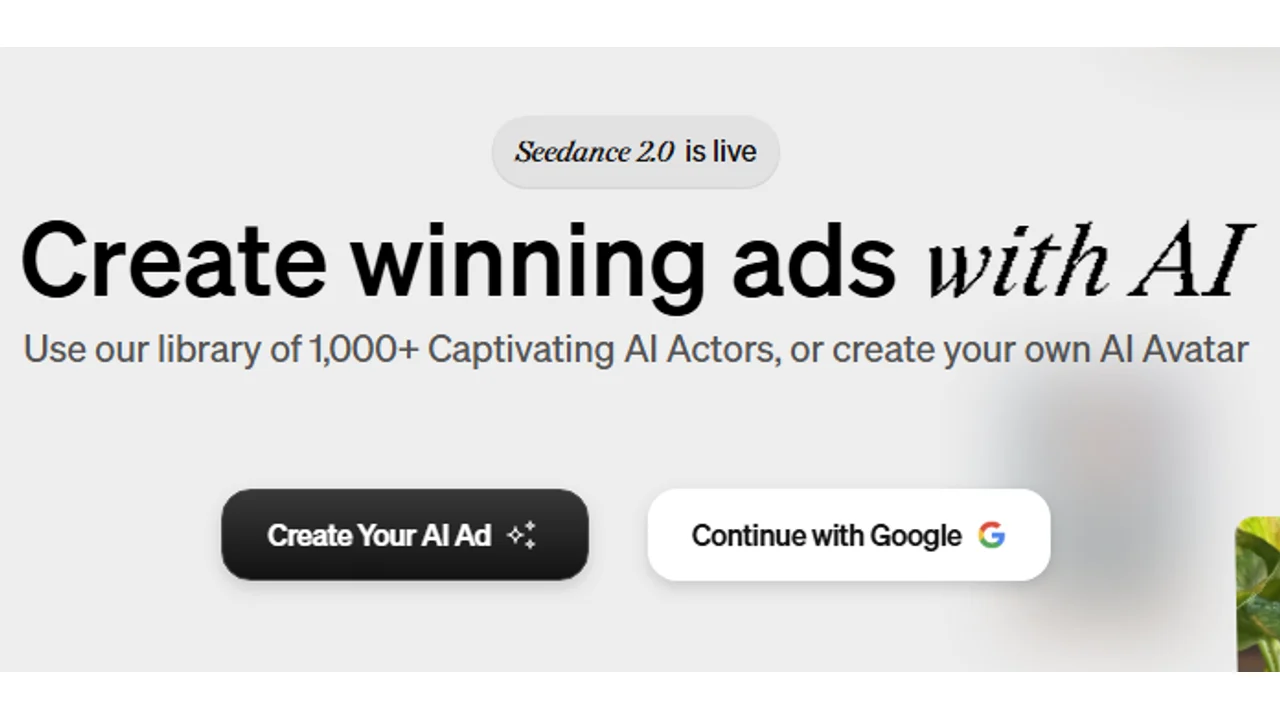
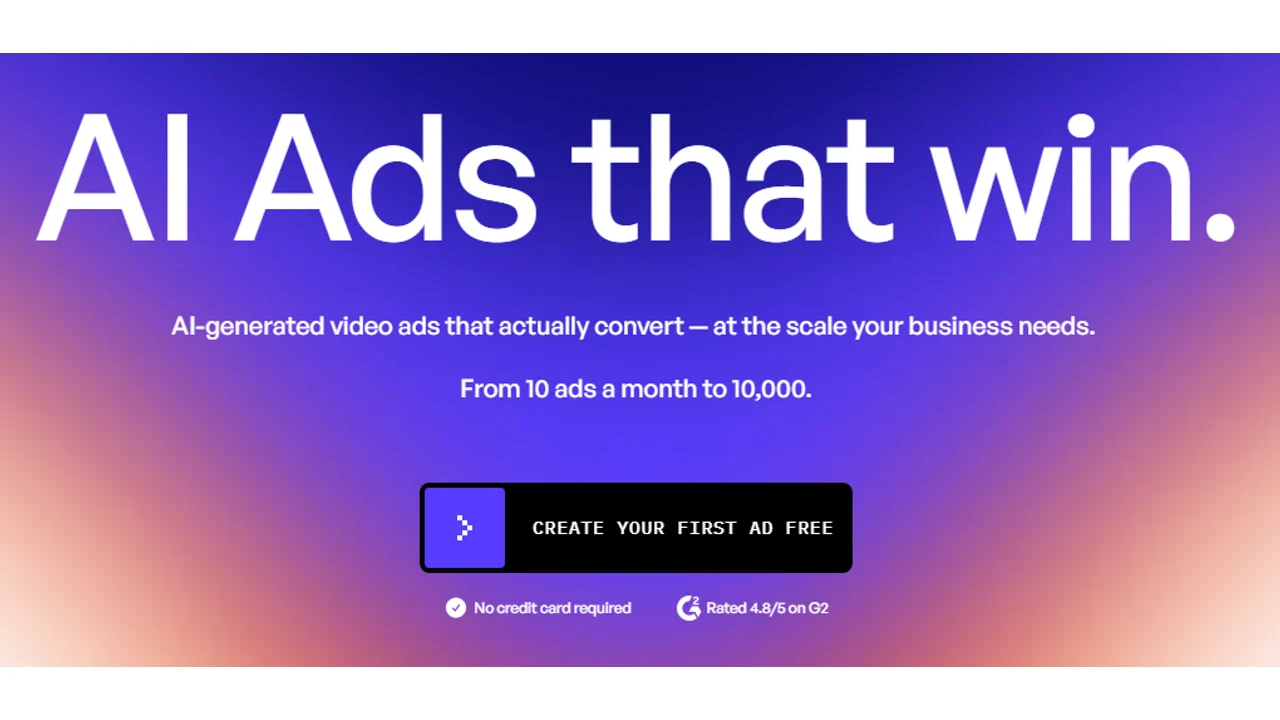
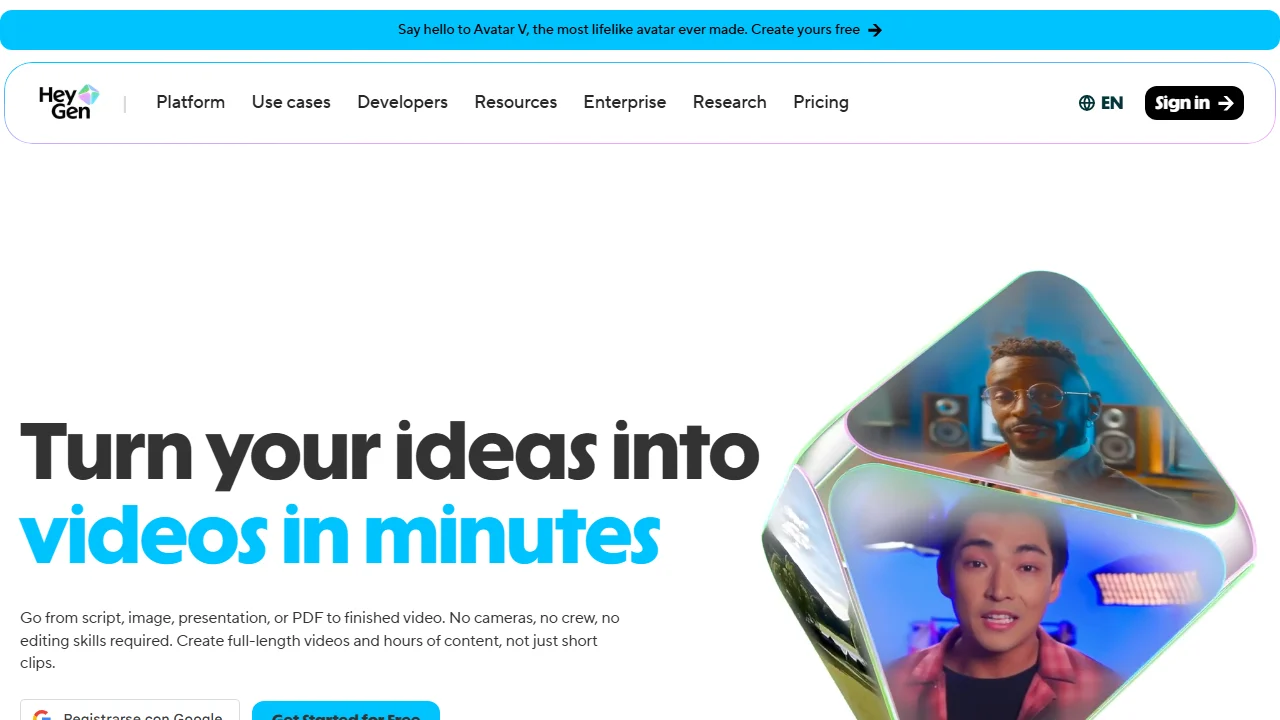
If you are comparing synthetic creator-style tools, read best AI UGC ad generators and best AI avatar ad generators.
UGC starter checklist
Before pitching brands, make sure you have:
- 3 to 5 portfolio videos,
- one clear niche or angle,
- a public portfolio link,
- a short outreach message,
- basic rates or packages,
- usage rights language,
- an invoice or payment workflow,
- a repeatable filming setup.
FAQ
Do I need followers to start with UGC?
Not necessarily. For basic UGC, what matters is content quality and your portfolio. Followers matter more if the brand wants posts on your own account or audience reach.
How do I make my first UGC portfolio?
Use products you already own, record 3 to 5 sample videos, and put them on a simple page. Include your niches, contact, and the formats you can deliver.
Which niche should I choose for UGC?
Start with something you can film and explain naturally: beauty, home, fitness, cooking, apps, SaaS, or ecommerce. You can add more niches later.
How much should a beginner UGC creator charge?
It depends on deliverables, country, niche, editing, revisions, and usage rights. Avoid copying a universal rate without knowing whether the brand wants organic, ads, exclusivity, or raw footage.
Does AI UGC replace real creators?
Not necessarily. AI can help with scripts, variations, and quick tests, but real creators still matter when trust and lived experience are the core of the message.
Final recommendation
The fastest way to get started with UGC is not to wait for a brand. Create your own samples, learn the structure of short paid social ads, and pitch brands with a specific idea.
Start with a simple portfolio. Protect your usage rights. Improve every video. UGC rewards creators who can make content that feels real, clear, and useful to a brand’s marketing workflow.