
Quick verdict
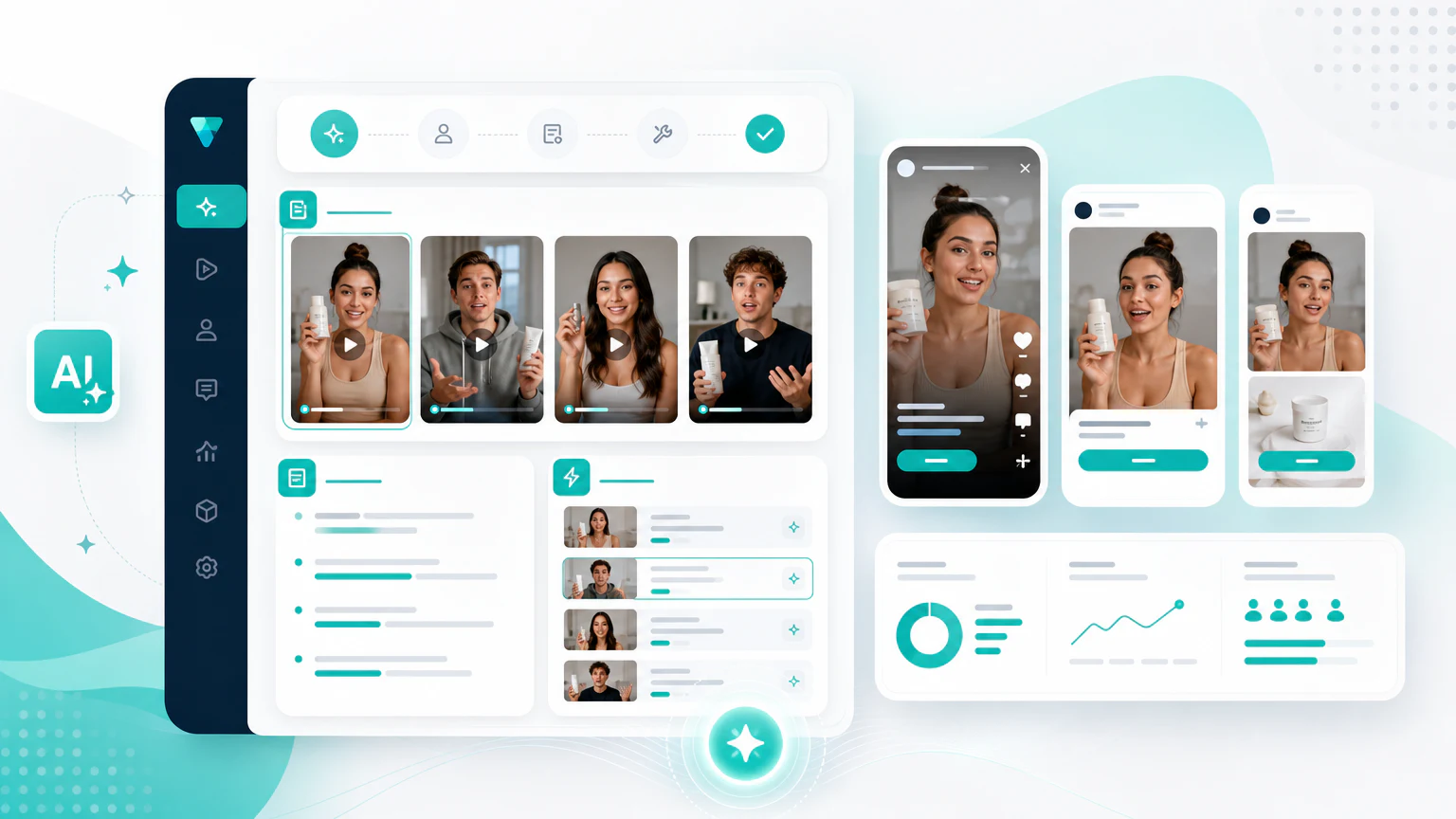
The best AI UGC ad generator depends on how close you need the output to feel to real creator content. This category also overlaps with searches like AI UGC ads and AI UGC video generator.
- For UGC-style ad production: Arcads.
- For e-commerce product videos: Creatify.
- For avatar-led ads and localization: HeyGen.
- For polished business-style presenters: Synthesia.
- For simple avatar experiments: D-ID, VidAU, or JoggAI.
The main risk with AI UGC is not technical. It is trust. If the video feels fake, over-scripted, or unclear about synthetic presenters, it can hurt the brand instead of helping it.
What is an AI UGC ad generator?
An AI UGC ad generator helps create videos that resemble creator-style social ads. Instead of hiring a creator for every script, the tool may provide avatars, synthetic voices, templates, product imports, scripts, captions, and multiple hook variations.
Common outputs include:
- creator-style product pitches,
- avatar testimonials,
- product demos,
- short social videos,
- localized versions of the same ad,
- hook and CTA variations.
AI UGC is useful for testing messages, but it should not be used to mislead viewers. Treat it as synthetic creative production, not as fake customer proof.
Comparison table
| Tool | Best for | Strength | Limit to watch |
|---|---|---|---|
| Arcads | UGC-style ads | Creator-style presenters and ad variations | Needs careful review for realism and disclosures |
| Creatify | E-commerce product ads | Product-led ad creation | More product-ad focused than pure UGC |
| HeyGen | Avatar videos | Localization and presenter-led scripts | Can feel too polished for UGC |
| Synthesia | Professional presenters | Consistent business communication | Less native to raw creator ads |
| D-ID | Avatar experiments | Simple talking-head generation | Requires strong scripting and editing |
| VidAU | Product and avatar videos | Useful for commerce-style variations | Check output quality by product type |
| JoggAI | Social ad variations | Fast creative production | Review claims, pacing, and trust signals |
1. Arcads
Arcads is one of the most relevant tools to evaluate if your main goal is UGC-style advertising. It is built around social ad production rather than generic corporate video.
Best for
- Creator-style hooks.
- Short paid social ads.
- Multiple message angles.
- Brands testing UGC-style creative without filming every variant.
Watch out for
The presenter and script must feel believable. A polished avatar with a weak script will not feel like UGC; it will feel like an ad pretending not to be one.
2. Creatify
Creatify is useful when the product is the center of the ad. It can help generate product-led videos and ad variations from product inputs.

Best for
- E-commerce brands.
- Product demos.
- Product-page-to-video workflows.
- Short-form campaign variations.
Watch out for
If your goal is a deeply creator-native UGC style, compare it directly with tools built around avatars and presenter-led ads.
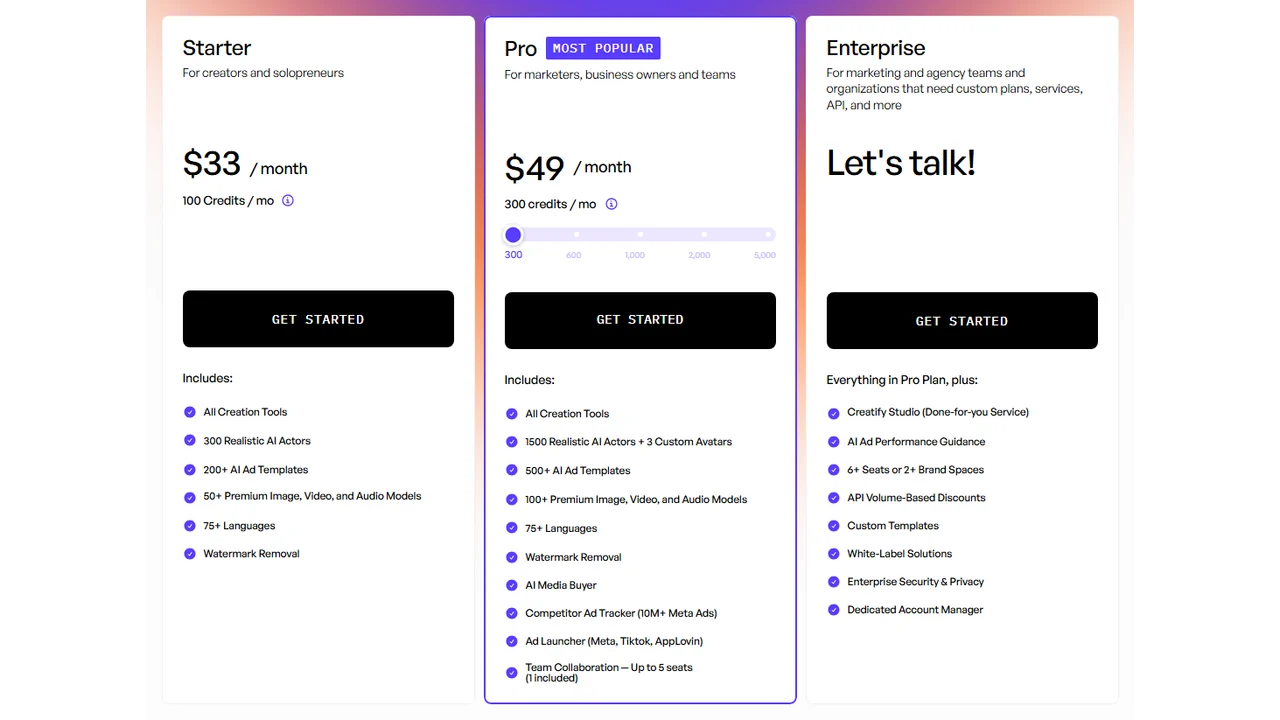
Pricing screenshot note: Creatify prices, credits, AI actor access, template limits, ad guidance, API discounts, and enterprise terms can change and may vary by region, currency, taxes, billing cycle, promotions, and account type, so verify the current details on the official site before buying.
3. HeyGen
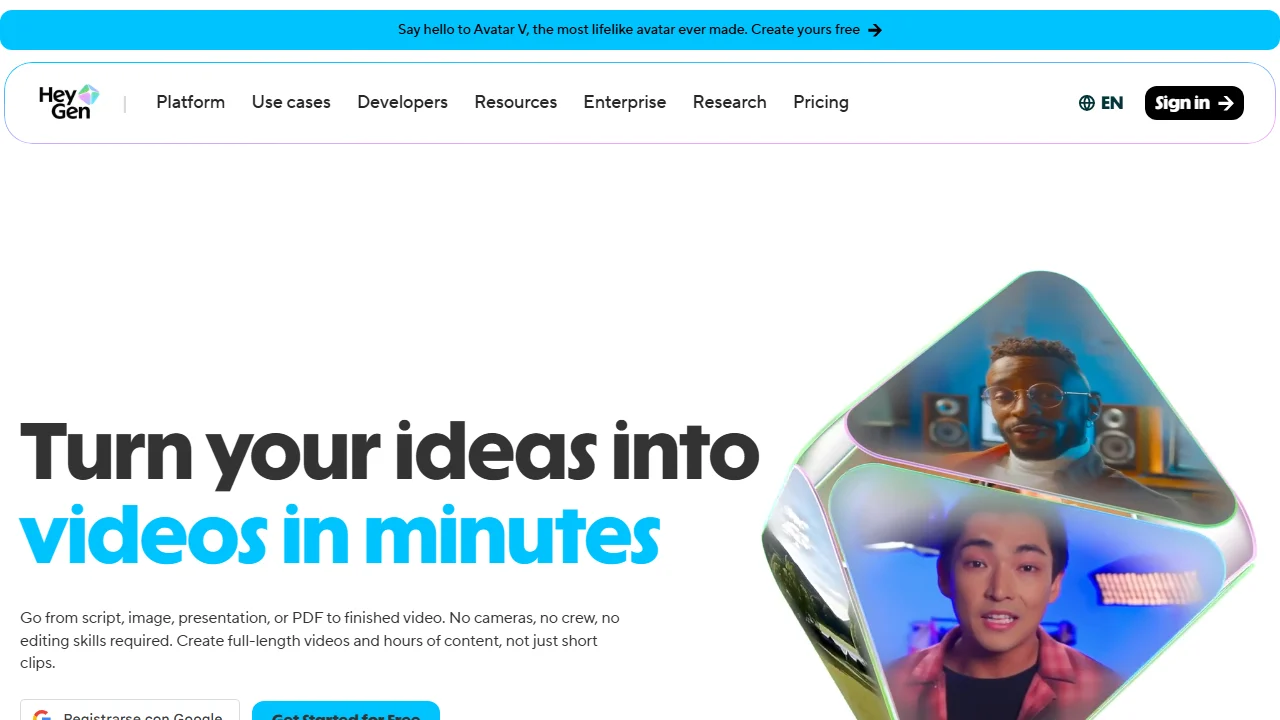
HeyGen is strong for avatar-led videos and localization. It can be useful when you need the same ad concept in different languages or need a presenter-style video without filming.
Best for
- Avatar explainers.
- Localized UGC-style scripts.
- Founder-style product explanations.
- Education-led ads.
Watch out for
Natural delivery matters. Shorter scripts, plain language, and tighter hooks usually work better than long promotional paragraphs.
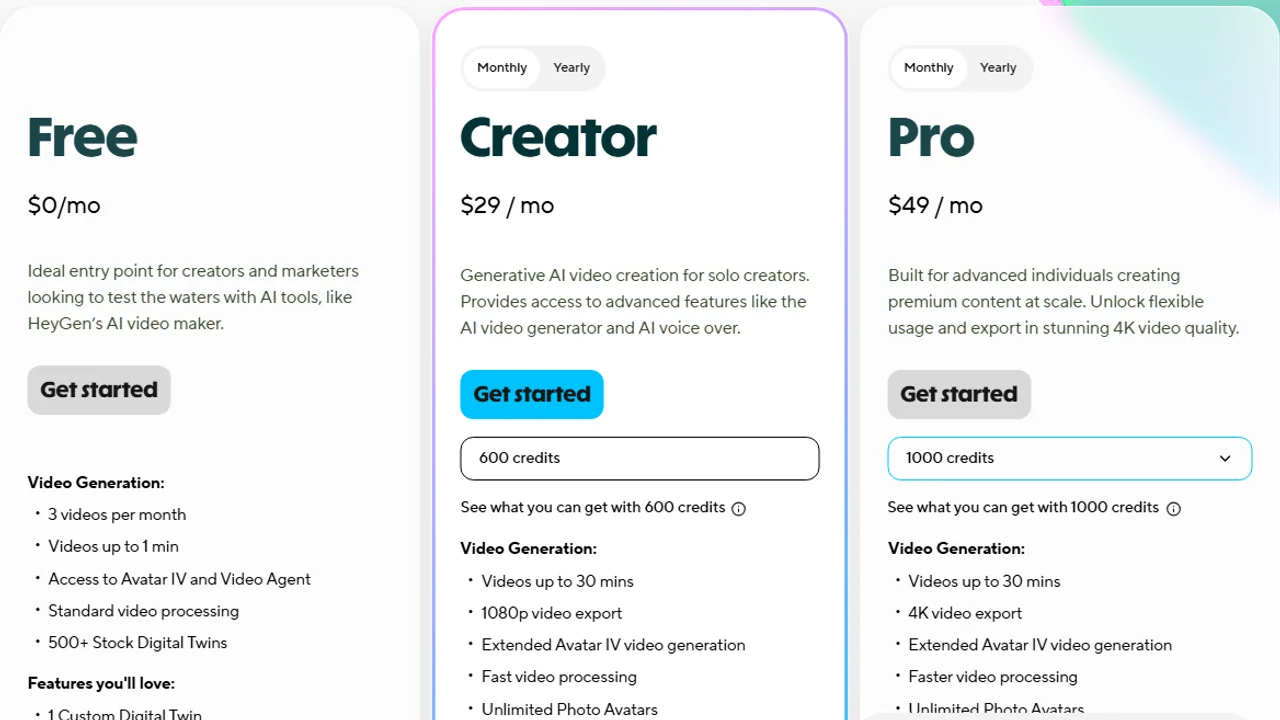
Pricing screenshot note: HeyGen prices, credits, and plan limits can change and may vary by region, currency, taxes, billing cycle, promotions, and account type, so verify the current details on the official site before buying.
4. Synthesia
Synthesia is more polished and business-oriented. It can still be used for ad assets, but it shines when consistency and professionalism matter more than raw creator energy.
Best for
- Professional presenter videos.
- SaaS explainers.
- B2B ads.
- Training or onboarding content repurposed for paid media.
Watch out for
For consumer social ads, it may feel too corporate unless the script and format are adapted.
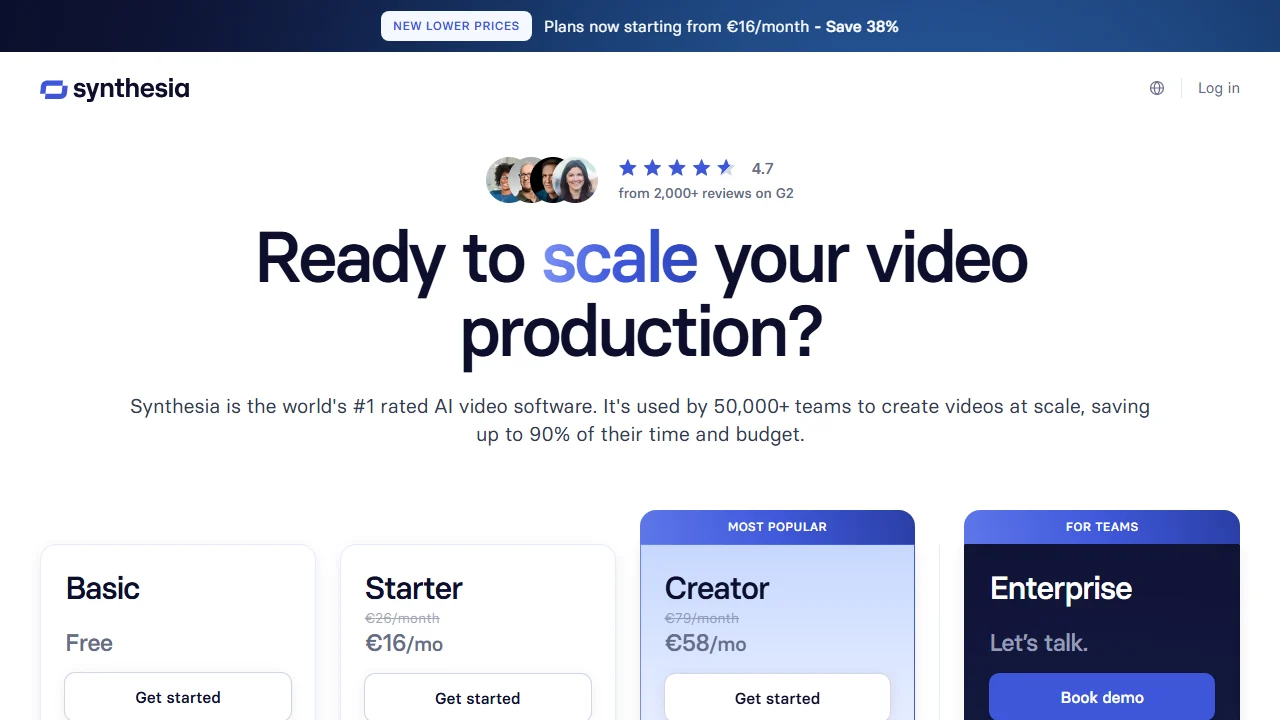
Pricing screenshot note: Synthesia prices, credits, video minutes, avatar limits, and enterprise terms can change and may vary by region, currency, taxes, billing cycle, promotions, and account type, so verify the current details on the official site before buying.
5. D-ID, VidAU, and JoggAI
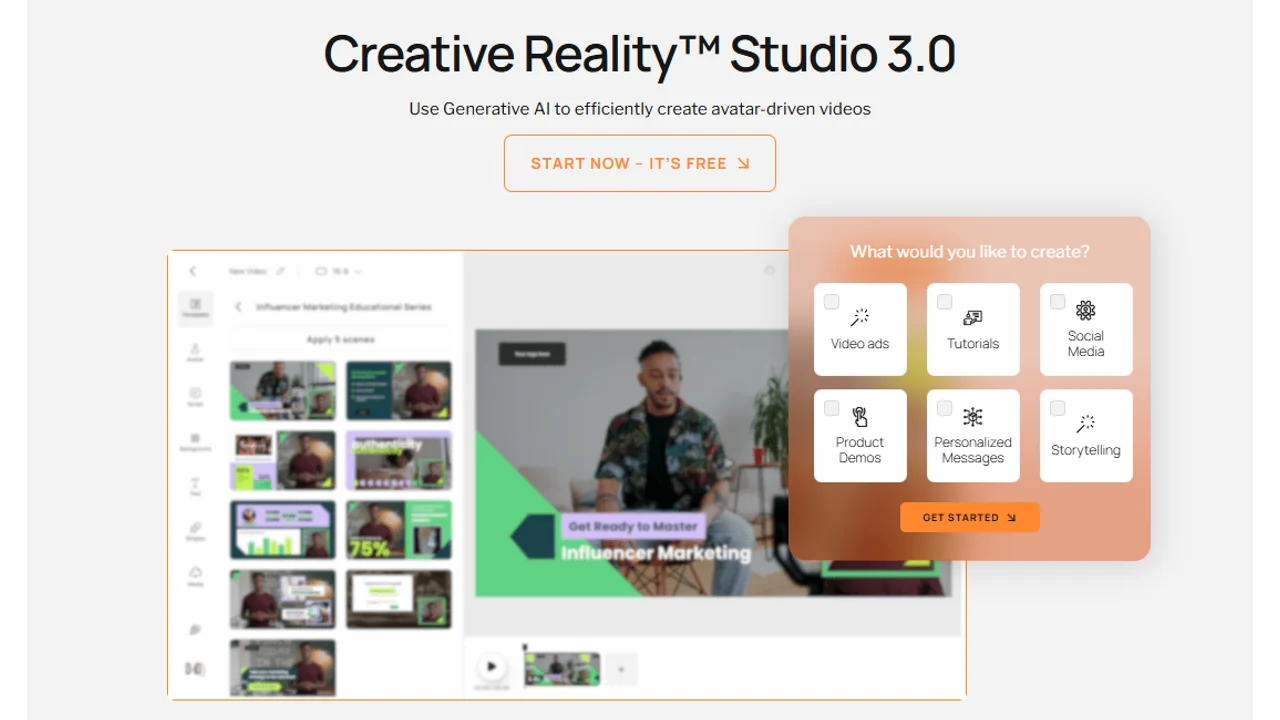
These tools can be useful for experimenting with avatar videos, product scripts, and simple social ad variations. D-ID is the clearest fit when the goal is lightweight talking-head or avatar-driven video.
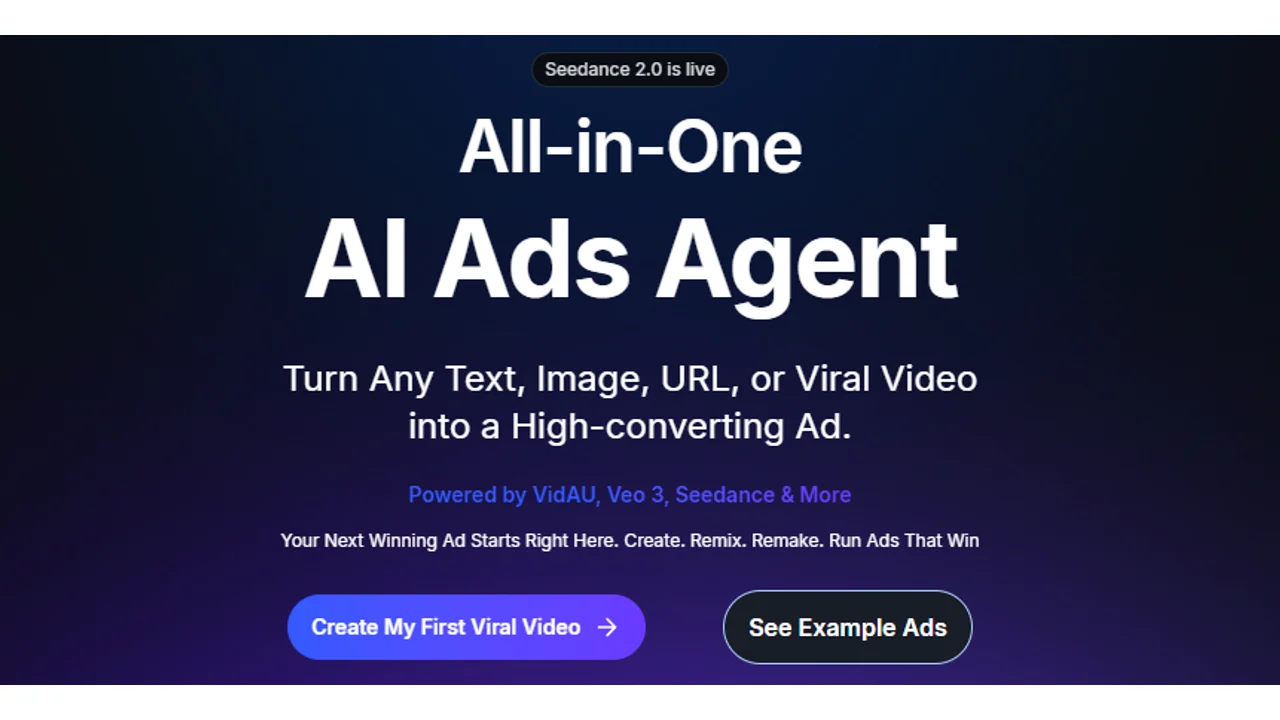
VidAU is more commerce-oriented in this group, with AI ad and remix workflows for turning text, images, URLs, or viral videos into ad-style creative.
JoggAI is another lightweight avatar-video option, useful for fast social media content and AI avatar video drafts.

Best for
- Testing avatar formats.
- Fast script-to-video experiments.
- Simple talking-head concepts.
- Low-friction creative iteration.
Watch out for
The weaker the presenter realism, the more important the format becomes. Sometimes an avatar video works better as an explainer than as a testimonial-style ad.
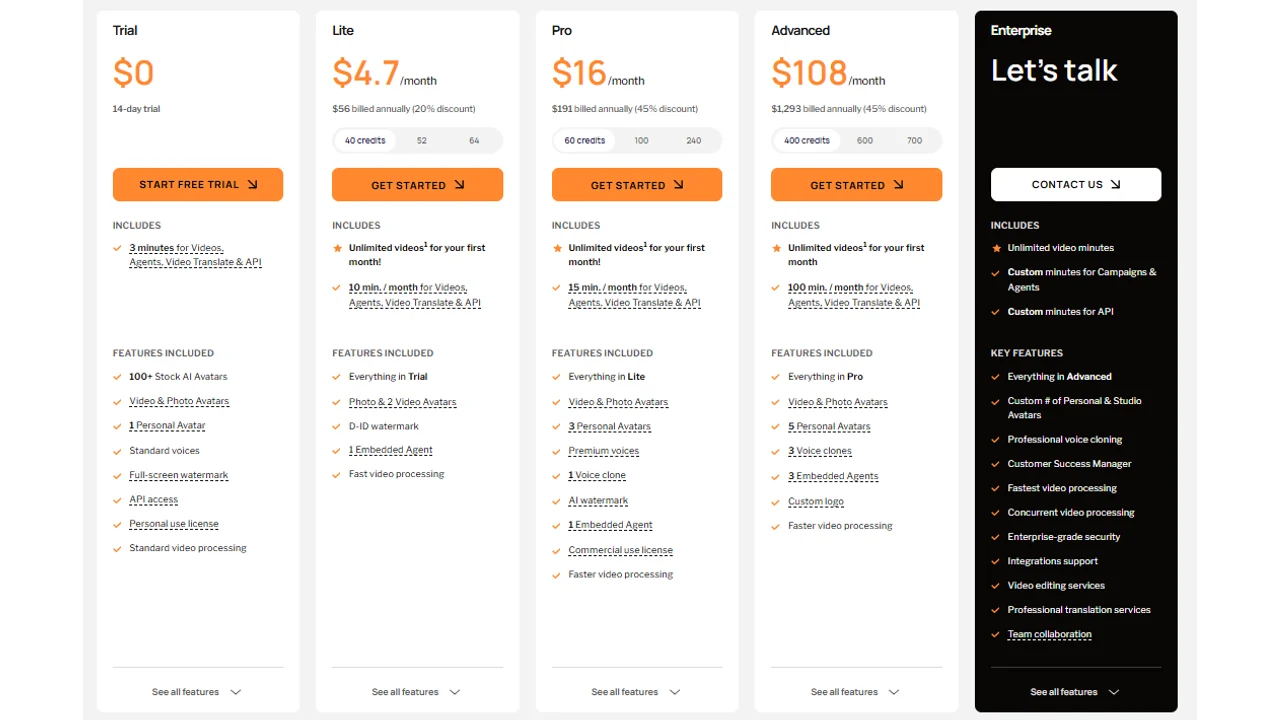
Pricing screenshot note: D-ID prices, credits, minutes, and plan limits can change and may vary by region, currency, taxes, billing cycle, promotions, and account type, so verify the current details on the official site before buying.
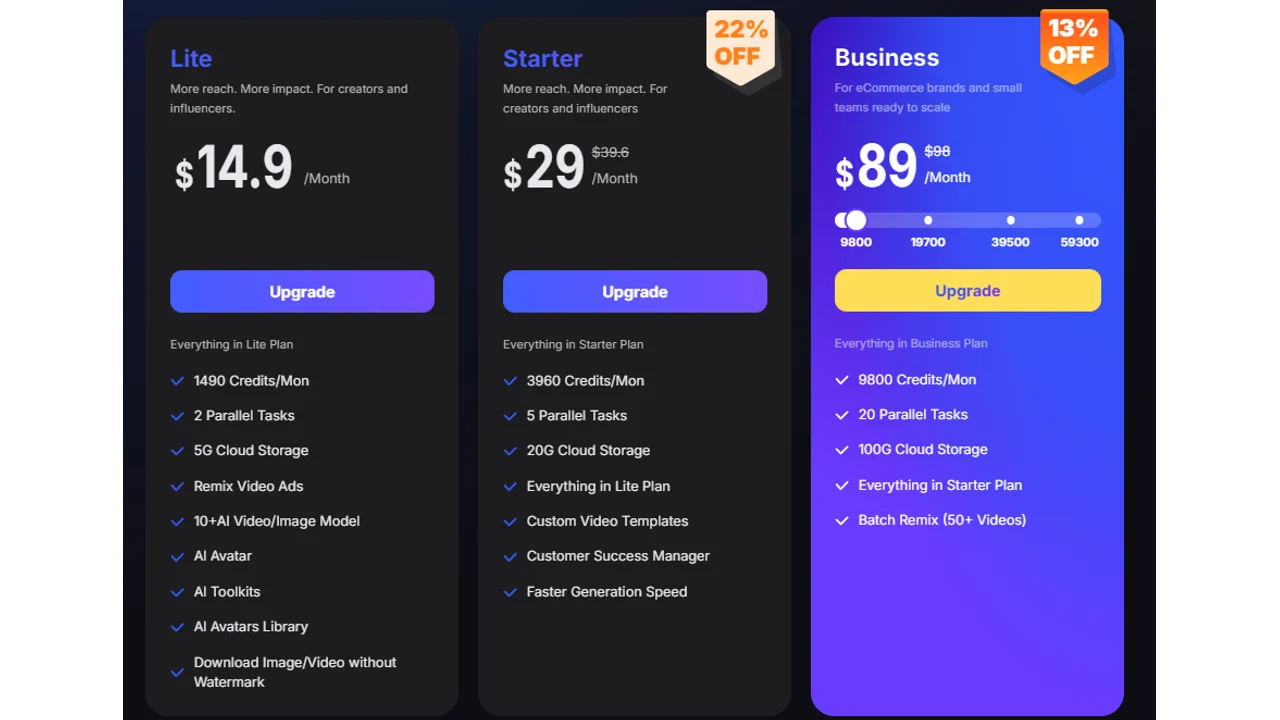
Pricing screenshot note: VidAU prices, credits, discounts, and plan limits can change and may vary by region, currency, taxes, billing cycle, promotions, and account type, so verify the current details on the official site before buying.
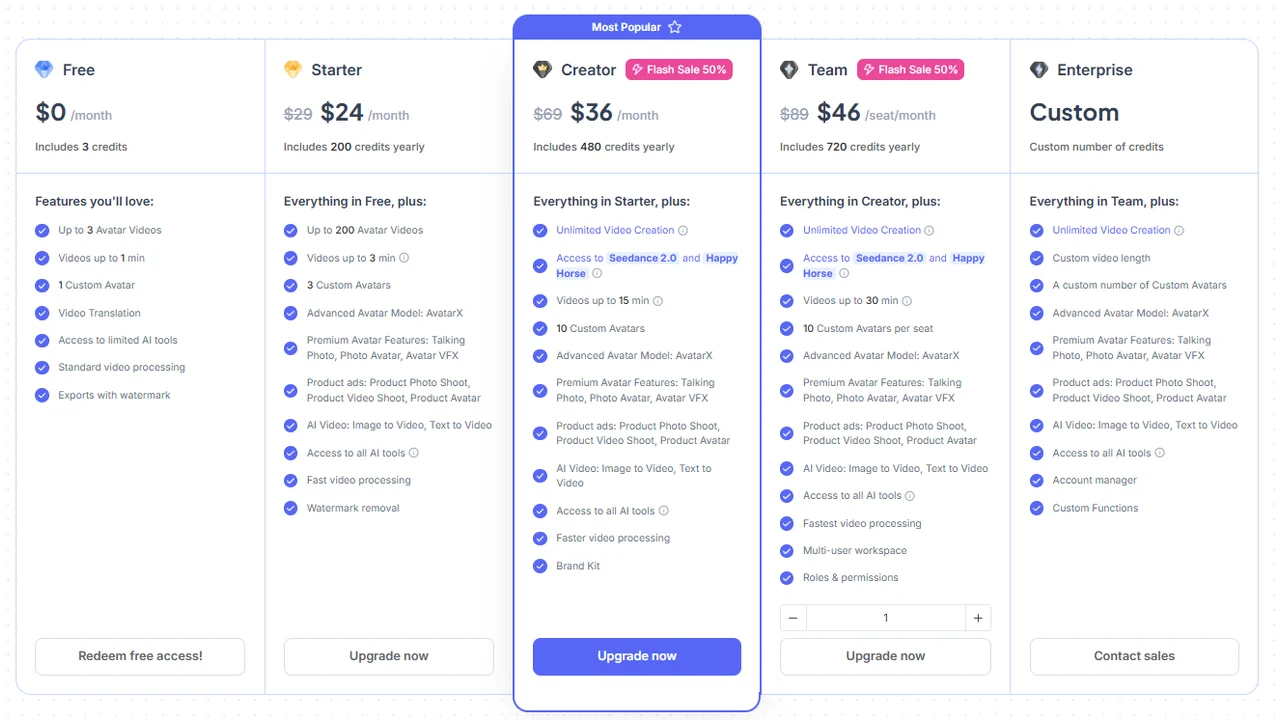
Pricing screenshot note: JoggAI prices, credits, discounts, and plan limits can change and may vary by region, currency, taxes, billing cycle, promotions, and account type, so verify the current details on the official site before buying.
AI UGC ads vs real UGC
AI UGC is not a perfect replacement for real customer or creator content.
| Format | Strength | Weakness |
|---|---|---|
| Real UGC | Trust, authenticity, lived experience | Slower, more expensive, less scalable |
| AI UGC | Fast variations, easy localization, lower production friction | Can feel synthetic or less trustworthy |
| Hybrid workflow | Real proof plus AI variations | Requires clear creative direction |
The strongest workflow is often hybrid: use real creators or customers for proof, then use AI UGC ads to explore hooks, edits, translations, and supporting variations.
Synthetic presenters: when they make sense
Synthetic presenters make the most sense when the format is clearly presenter-led: product explainers, founder-style scripts, onboarding messages, localized demos, or educational ads.
They are weaker when the ad pretends to be a real customer testimonial. If trust is the main selling point, real UGC is usually stronger than an avatar.
How to choose
Choose based on the level of trust your ad needs:
- Need authentic proof? Use real creators or customers.
- Need to test hooks quickly? AI UGC can help.
- Need multilingual presenter ads? Try HeyGen.
- Need e-commerce product videos? Try Creatify.
- Need creator-style social ads? Start with Arcads.
If you need broader video formats, read the AI video ad generator comparison. If you are new to the category, start with what is UGC. If you are building the full funnel, read how to create ads with AI and UGC content marketing.
If you want a broader software-level overview, read best AI UGC tools. If your main format is a synthetic presenter, the more specific guide is best AI avatar ad generators. For inspiration before you brief a tool, see these UGC ad examples that work.
If you are a creator rather than a brand, read how to get started with UGC.
UGC ad review checklist
Before launching an AI UGC ad, check:
- The viewer can understand the product quickly.
- The script does not invent customer results.
- The presenter format is disclosed when needed.
- The product claims are accurate.
- The CTA matches the offer.
- The video looks native to the platform.
- The brand would be comfortable if viewers knew the presenter was synthetic.
FAQ
What is AI UGC?
It is creator-style content generated or assisted by AI, usually with scripts, avatars, voices, and ad variations.
What is the best AI UGC tool?
Arcads is a good first test for presenter-led UGC. Creatify fits ecommerce better. HeyGen for avatars and localization.
Can I use AI UGC in ads?
Yes, but check claims, rights, disclosure, and platform policies.
Does it replace real creators?
Not always. It can help with testing and scale, but a real experience is still stronger for trust.
Final recommendation
AI UGC generators are useful for speed, variation, and localization. They are weaker when a campaign depends on trust, lived experience, or strong social proof.
Use AI UGC to test angles faster. Use real proof when credibility is the core selling point.